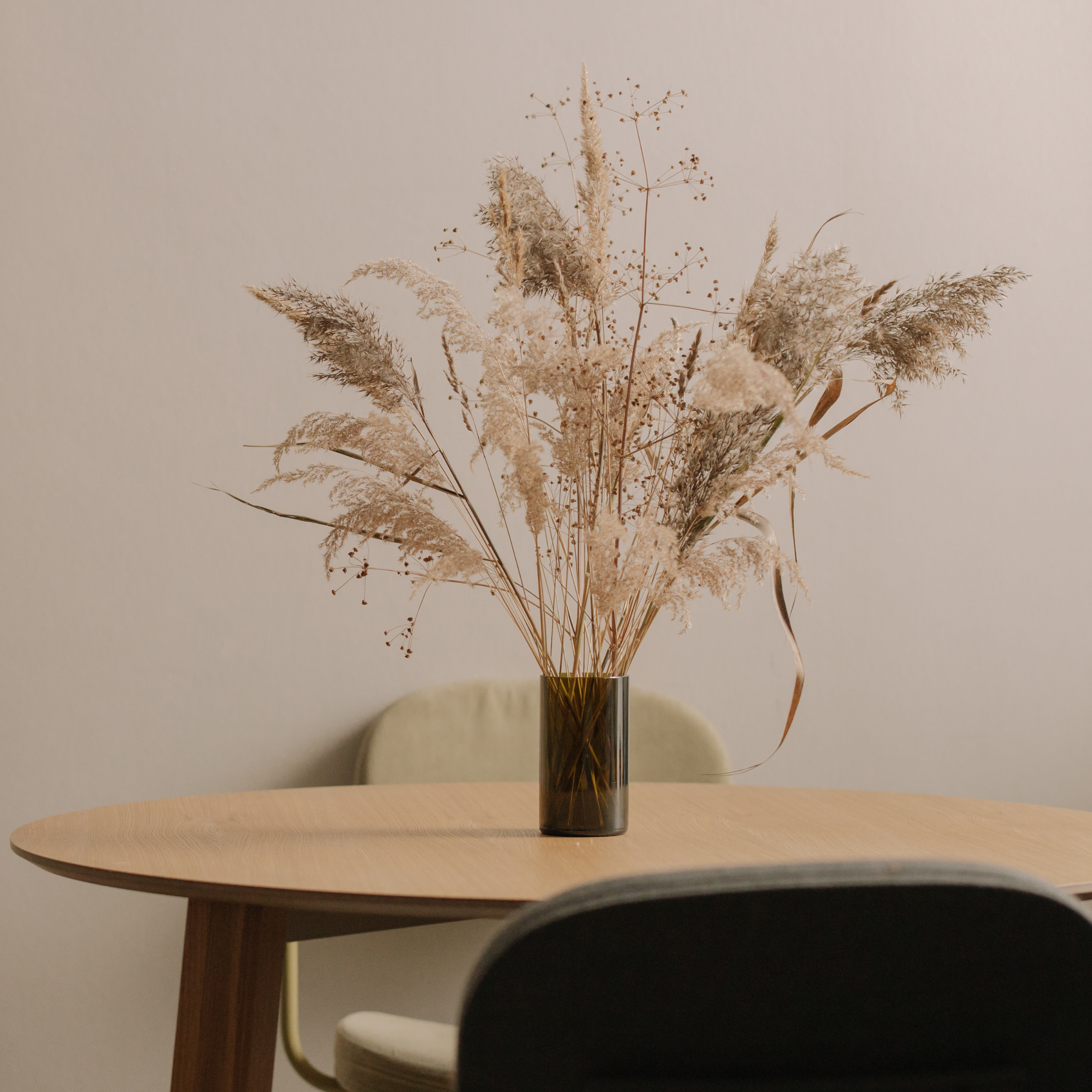

Spring Doesn’t Have to Mean “Do More”
Your Nervous System Gets to Set the Pace
Spring has a certain reputation. It’s the season of fresh starts, longer days, more energy, more movement, more plans. And for some people, that shift feels genuinely supportive like the body is waking up. But for many others, spring doesn’t feel like a clean reset.
It can feel like pressure. Pressure to be happier. More productive. More social. More motivated. More “back on track.”
If you’ve noticed anxiety, restlessness, irritability, sleep changes, or a sense of being internally rushed as the season changes, you’re not alone and you’re not doing spring wrong.
In nervous-system terms, spring can be a time of activation. And activation isn’t automatically a problem…but it can become one when it asks your system to speed up faster than it’s ready for.
This is your gentle reminder:
More daylight isn’t a mandate. Your nervous system gets to set the pace.
Why Spring Can Spike Anxiety or Restlessness
We often think of anxiety as something that comes from “too much stress.” But sometimes it comes from change even positive change.
Spring brings a lot of subtle (and not-so-subtle) shifts:
- More light in the evenings (which can change sleep rhythms)
- More social invitations and events
- More pressure to “get outside,” “get active,” “get back into routine”
- End-of-school-year demands for families
- A sense that everyone else is moving faster
If your winter was heavy – emotionally, physically, or both – your system may have adapted by conserving energy, pulling inward, and focusing on the basics.
That’s not laziness. That’s survival wisdom.
So when spring arrives and life starts asking for more, your nervous system might respond with:
- A buzzing, wired feeling
- Racing thoughts
- Difficulty settling at night
- Tension in the jaw, neck, or shoulders
- Digestive discomfort
- Irritability or emotional reactivity
Not because you’re broken, but because your system is trying to protect you from moving too fast.
The Difference Between Expansion and Overextension
One of the most helpful questions in spring is not:
“How do I do more?”
It’s:
“Is this expansion…or is this overextension?”
Expansion
Expansion is growth that your nervous system can integrate.
It might feel like:
- A little more breath
- A sense of openness in the chest or belly
- Genuine curiosity
- A grounded yes
- Energy that returns without costing you later
Expansion can still feel stretching, but it usually carries a sense of space.
Overextension
Overextension is growth that your nervous system can’t metabolize yet.
It might feel like:
- Tightness in the body (jaw, shoulders, stomach)
- Urgency, pressure, or “I have to” energy
- Saying yes while feeling braced
- Resentment, depletion, or shutdown afterward
- Trouble sleeping because your body can’t come back down
Overextension often looks “fine” from the outside. You might still be functioning. But inside, your system is paying a cost.
A Simple Spring Check-In
What’s Blooming, and What’s Too Much Too Fast?
If you want a gentle journaling prompt (or a quiet two-minute reflection), try this:
1. What’s Blooming Right Now?
- What feels a little lighter?
- What is growing — slowly, naturally?
- Where do you notice even a small return of energy?
2. What’s Too Much Too Fast?
- What feels like pressure rather than possibility?
- What drains you more than it gives?
- What are you doing because you “should,” not because it’s aligned?
3. What Would It Look Like to Move at the Pace Your Nervous System Can Hold?
This is the heart of it.
Not the pace your calendar demands.
Not the pace your inner critic demands.
Not the pace that looks good on the outside.
The pace your body can actually sustain.
5 Gentle Practices for Pacing in Spring
You don’t need a full life overhaul to support your nervous system.
Small, consistent cues of safety often matter more than big bursts of effort.
1. The “One-Thing” Plan
Before you add more, ask:
What’s the one thing that would help me feel steady today?
This could be:
- Eating a real lunch
- A 10-minute walk
- Sending one important email
- Cancelling one non-essential plan
- Sitting in the car for two minutes before walking into the house
One thing. Not ten.
2. Micro-Boundaries
Because Your Nervous System Hears Them
Boundaries don’t have to be dramatic. Sometimes they’re quiet.
Try one of these phrases:
- “I’m not available for that right now.”
- “Let me check my capacity and get back to you.”
- “I can do X, but I can’t do Y.”
Even if you don’t say it out loud yet, practice saying it internally. Your nervous system learns safety through repetition.
3. A 60-Second Nature Reset
Nature can be a powerful regulator because it offers cues of steadiness and rhythm.
Step outside and:
- Let your eyes land on one living thing (tree, bud, grass)
- Take one slower exhale
- Notice: Is my body bracing right now?
No fixing. Just noticing.
4. “Downshifts” After Activation
Spring often increases activation – more errands, more people, more noise.
Build in tiny downshifts:
- Three slow exhales before you drive home
- Shoulders down + unclench jaw at red lights
- A two-minute lie-down with one hand on your belly
Think of these as little signals to your body: We’re safe. We can come back down.
5. Choose Expansion on Purpose
If you’re craving growth, you don’t have to shut that down. But choose it deliberately.
Ask:
- “What would feel like a true yes this week?”
- “What would feel nourishing, not performative?”
- “What would I do if I trusted that slow is still progress?”
When Support Helps
If spring is bringing up anxiety, burnout, chronic stress, or body symptoms, it can be hard to “self-regulate” your way through it – especially if your system has been carrying a lot for a long time. This is where nervous-system-informed care can help.
At Nurturing Roots Wellness, we offer psychotherapy and body-based support that honours pacing, consent, and the reality of your life. Whether you’re looking for a short-term relief to help you feel steadier, or ongoing support to work with deeper patterns, you’re warmly welcome here. If you’re in Midland or Simcoe County, we offer in-person care, and we also support clients virtually across Ontario.
With warmth,
Ashley & The Nurturing Roots Team 🌱